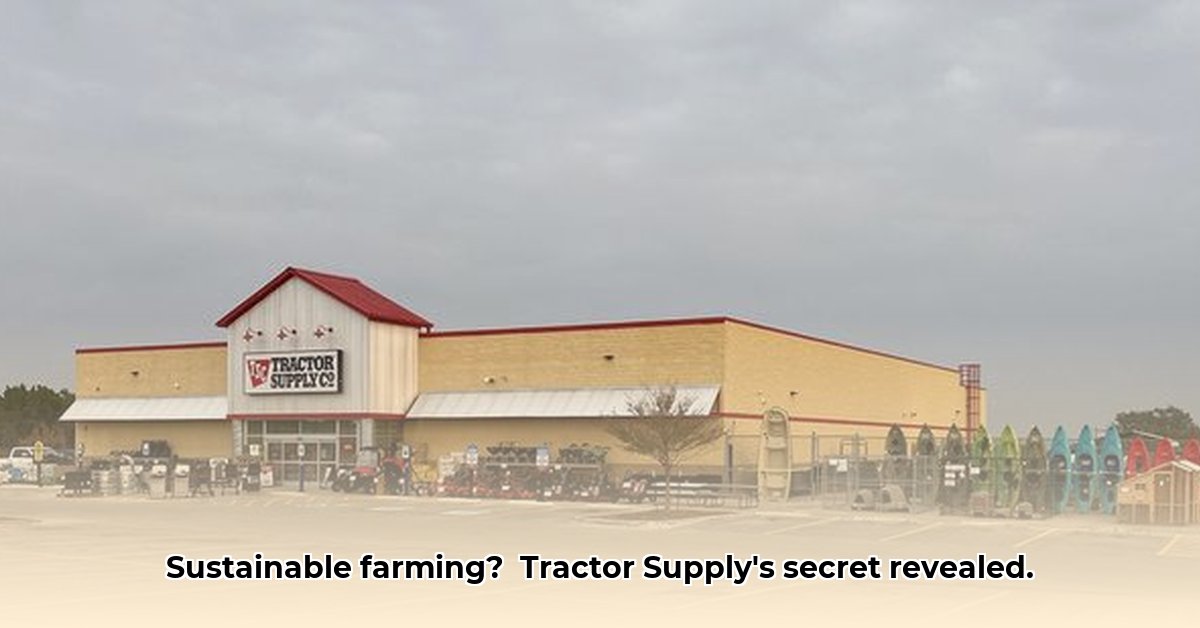
Tractor Supply Belton, Texas: A Potential Partner in Sustainable Agriculture
Belton, Texas, boasts a rich agricultural heritage, characterized by a blend of cattle ranching and diverse crop farming. This vibrant agricultural landscape creates a significant demand for the resources farmers need to thrive. While the exact contribution of Tractor Supply's Belton location to sustainable farming practices remains unclear due to limited data, we can explore its potential role in fostering more environmentally conscious agricultural practices. This article will examine the local context, Tractor Supply's typical product offerings, and actionable steps to enhance the store's impact on sustainable agriculture in Belton.
The Belton Agricultural Context
The area surrounding Belton presents a varied agricultural scene, likely including both established farms and smaller, diversified operations. Understanding the prevalence of specific crops and livestock is crucial to assessing the demand for sustainable agricultural supplies. Even Jaycee Park, a local recreational area, could indirectly influence sustainable practices through potential community garden projects or farmers' market initiatives. This broader context helps us understand the local need for sustainable solutions.
Tractor Supply's Potential Role in Sustainable Farming
While precise data on the Belton Tractor Supply's inventory is unavailable, examining typical stock reveals its potential to support sustainable agriculture. A typical Tractor Supply store likely carries a range of products relevant to environmentally conscious farming. These could include organic seeds (seeds that are grown without synthetic pesticides or fertilizers), water-efficient irrigation systems (systems designed to minimize water waste), and tools and supplies for soil health management (practices focused on improving soil quality and fertility). Expanding these offerings could significantly increase the store's contribution to sustainable farming.
Opportunities and Limitations: Addressing the Data Gap
The primary limitation of this analysis is the lack of specific data on the Belton Tractor Supply's inventory and engagement with local farmers. This absence prevents a definitive assessment of its current contribution to sustainable practices. However, this data gap represents an opportunity. Detailed data collection, including surveys of local farmers and a comprehensive inventory of the store's offerings, would paint a much clearer picture. This would allow a more accurate evaluation of the store's current role and help identify areas for improvement.
Actionable Insights: A Collaborative Approach
To foster sustainable agriculture in Belton, a collaborative effort involving various stakeholders is essential. The following steps represent realistic, short-term goals achievable even with the current data limitations:
Farmer Feedback: Local farmers should directly communicate with Tractor Supply Belton, outlining their needs and preferences for sustainable agricultural products. This direct feedback loop is crucial for informing inventory adjustments.
Tractor Supply Inventory Review: Tractor Supply should conduct an internal review of their Belton store's current stock, identifying existing sustainable products and pinpointing areas for improvement.
Local Government Incentives: Belton's local government could explore offering incentives or grants to farmers adopting sustainable practices, potentially partnering with Tractor Supply to promote these initiatives.
Community Engagement: Environmental organizations and Tractor Supply could collaborate on educational workshops and community events to raise awareness about sustainable farming techniques and available resources.
Data-Driven Analysis: A future study should focus on gathering granular data on product sales, farmer feedback, and the overall impact of Tractor Supply Belton on local sustainable agriculture.
Conclusion: Unlocking the Potential for Sustainable Farming in Belton
Tractor Supply in Belton has the inherent potential to play a substantial role in supporting sustainable agriculture in the local community. However, a comprehensive evaluation requires further data collection and analysis. Through collaborative efforts between farmers, the store, the local government, and environmental organizations, Belton can further cultivate a more sustainable and thriving agricultural landscape. The journey towards a greener future begins with recognizing the potential, gathering necessary data, and working together to achieve it.